U.S. Economy Causing A Huge Moving Industry Slow Down
American National Movers · August 13, 2026 · 4 min read
U.S. citizens are not moving. With median individual earnings sitting around $60,000 a year, many people can barely afford to pay rent. Consumers are blaming it on the high cost of living, such as car payments, loans and other miscellaneous expenses.
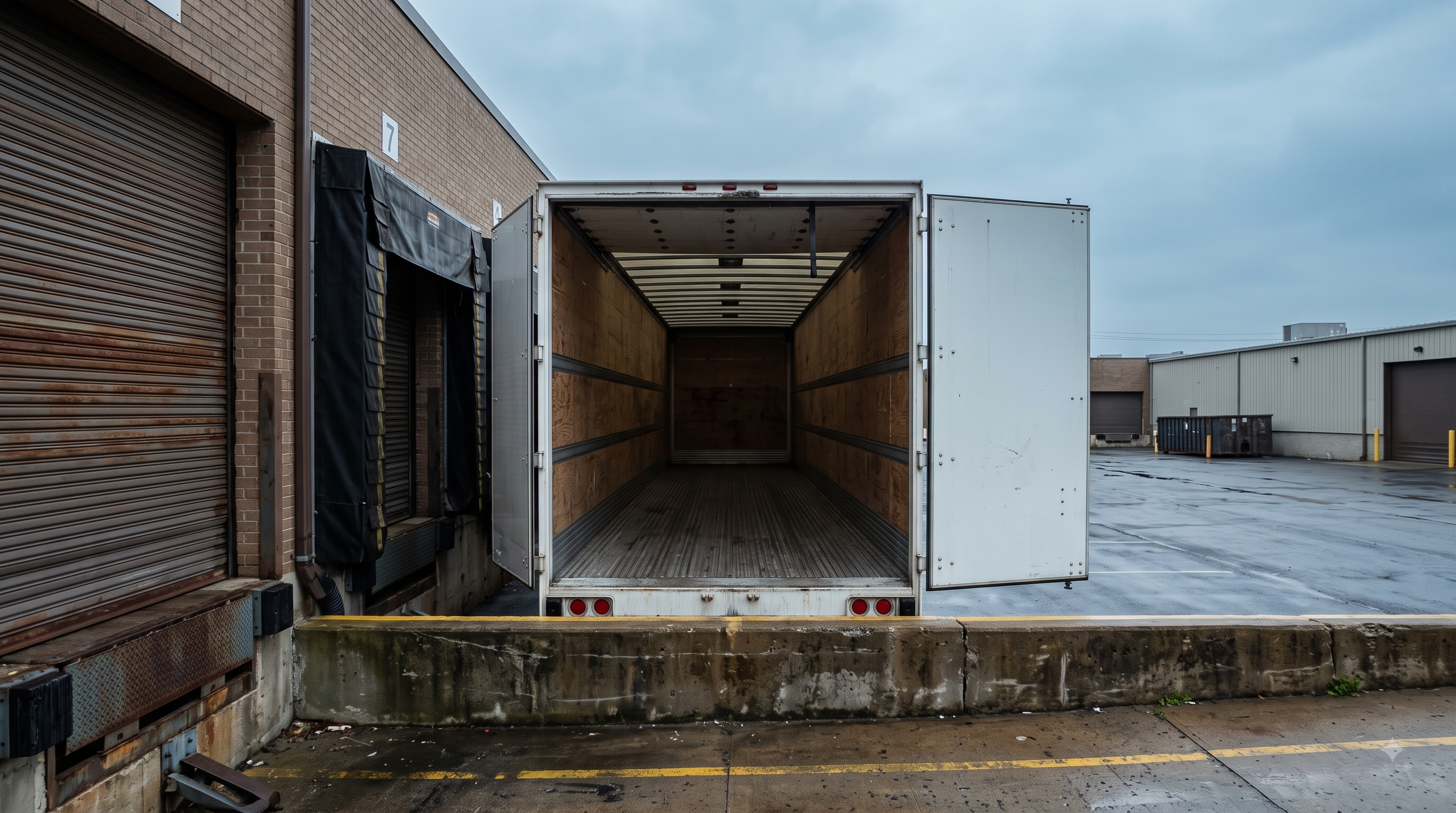
As a result, the moving industry — particularly long distance movers — is experiencing a major slow down. Several carriers across the board have reported that their trucks are not being loaded due to a lack of customers. This economic slow down has caused carriers to begin closing down, even during the busy season.
The numbers back it up. Allied Van Lines reported interstate moves declined 3% from 2024 to 2025, following a 7% decline the year before. Fewer than 9% of Americans now change their residence in a given year, down from roughly 20% in the 1980s. Bank of America Institute's May 2026 analysis found moves still falling year over year in the first quarter of 2026, with long distance relocations hit harder than local ones.
Moving Companies Are Lowering Their Rates
Carriers are stating, "Cut the rates by 20% so that customers can book. Something is better than nothing."
This may pad the pockets of some long distance moving companies, but it's not a long term solution.
The reality is fewer Americans are relocating, and it's not just because mortgage rates are high. Affordability across the board is a major issue.
Brands like American National Movers are reducing rates, with qualifying studio and 1-bedroom long distance moves starting at $1,900, but customers are still finding the price too expensive.
Major Logistical Issues Associated With A Lack Of Business
Almost every long distance moving company relies on shared load shipping so that they can offer better rates and operate more efficiently. However, since this slow period has been very unexpected for many movers, it's affecting consumers. Here's what to know:
Major Delays. Consumers have reported waiting several weeks — in some cases more than a month — for their items to arrive. Some clients' items are still sitting in a storage facility waiting to be shipped.
No Booked Loads. Every business is barely booking jobs, and it's not just small carriers. Even major carriers are affected. Since jobs are being booked at a much slower pace, deliveries will ultimately be affected. The only way around this is through a dedicated truck, which can be expensive for some, with an average cost of $8,500.
Bait and Switch. Movers are getting desperate. Some carriers may start to nickel and dime their customers and attempt to renegotiate costs for unjustifiable reasons.
The High Cost of Living & Fuel Is Hurting Moving Companies
Many consumers simply cannot afford the cost of full service long distance movers. Inflation, high rent, high mortgage rates and expensive fuel are a big reason why.
People look at gas prices at the pump and think that's what movers pay. It isn't. Moving trucks run on diesel, and diesel is the number that actually sets your rate. As of August 2026 the national on-highway diesel average is about $5.26 a gallon. On the West Coast it's above $6.00, and in California it's roughly $6.62. New England and the Central Atlantic — two of the busiest origin regions in the country — are both above $5.50.
A tractor trailer running coast to coast burns hundreds of gallons on a single trip. At those prices, it's difficult to meet a consumer's budget while still making a profit.
Something has got to give, or the transportation, real estate and other related industries are going to take major losses. The transportation and real estate markets are one of the backbones of the U.S. economy. If these markets fail, we may be heading toward a recession.
What This Means For You If You're Moving Right Now
Here's the part most movers won't tell you. A slow market is not automatically bad news for a consumer — it's the best negotiating position you'll have in years. Carriers are hungry, rates are soft, and you have leverage you wouldn't have had two summers ago.
But leverage only helps if you pick the right company. The carriers cutting rates 20% just to fill a truck are the same ones most likely to sit on your shipment until they find enough freight to justify the run. That's how a two week delivery window turns into two months.
What you want is a carrier with its own warehouse space and enough volume to keep moving. Ask any mover you're considering two questions: where will my items be stored if there's a delay, and what happens to my price if I book today. If they can't answer both clearly, keep calling.